Fibrosis drug inspired by a shark antibody
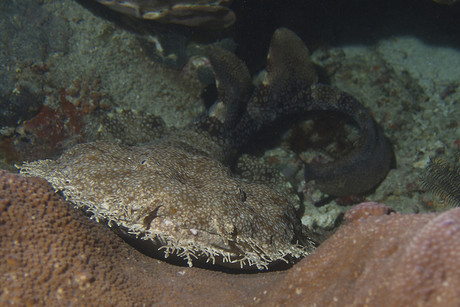
Scientists from La Trobe University’s Institute of Molecular Science (LIMS) and biotechnology company AdAlta have created a humanised version of an antibody found in Wobbegong sharks.
The humanised protein, called an i-body, is designed so it mimics the shape of the antigen-binding domain of shark antibodies and their key stability features. It can carry out the functional role of recognising and binding to other molecules/antigens, including disease targets, to produce a therapeutic effect.
Having identified the protein as a lead therapeutic candidate for the treatment of fibrosis, the researchers developed it into a drug called AD-114. Recent tests on mouse models found AD-114 led to a reduction in fibrosis in the lung and liver, after treatment for 14 and 21 days respectively.
“There is great demand for a treatment, as current lung fibrosis drugs have proved to have little impact in treating the disease for which there is no cure,” said AdAlta CEO Sam Cobb.
“AD-114 now has strong preclinical results for pulmonary fibrosis, demonstrating both anti-fibrotic and anti-inflammatory activity in human lung tissue and indicating greater efficacy than existing approved drugs used to treat the disease.”
Cobb explained that AD-114’s properties are effective in reducing collagen build-up in the lungs, which causes shortness of breath in sufferers and eventual death. AdAlta’s chief scientific officer, Mick Foley, added that the drug may also be suitable for treating forms of fibrosis found in the liver, skin, eyes, heart and kidneys.
AdAlta recently raised $10 million in an initial public offering on the Australian Stock Exchange to fund clinical trials of AD-114, due to begin in early 2018. The company has also used the preclinical data from its lung fibrosis testing for an Orphan Drug Designation application to the US Food and Drug Administration (FDA).
Scientists 'reprogram' tumour-supporting immune cells
The approach, by an Australian team, uses lipid nanoparticles to target a type of immune cell...
Existing medicines could help treat deadly childhood dementia
Australian researchers have identified several existing TGA‑approved medicines that could help...
Statins reduce heart attack and stroke risk in older people
It has previously been unclear whether statins were effective in reducing heart attack and stroke...