Avita facing 'first strike' on executive pay
Avita Medical (ASX:AVH) is facing an investor ‘first strike’, with its two largest shareholders planning to vote against the company’s latest remuneration report.
Australian Ethical Investment and Bioscience Managers have both confirmed plans to vote against the report at Avita Medical’s AGM on Friday.
In a statement, Bioscience Managers investment director Bronwyn Dilley said the investment firm has serious concerns about the performance and strategic direction of Avita Medical.
“We invested in the company based on a sound technology with a product approved for sale in international markets. However, progress made by the company has been very slow and the core leadership of the Chairman and CEO needs change as the first step to reinvigorate the company,” she said.
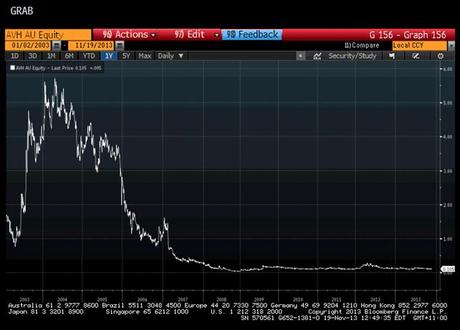
Under the tenure of chairman Dalton Gooding, the company’s share price has fallen from a 10-year high of over $5 to just 10 to 12 cents. “Shareholders are also tired of seeing high short-term incentives, paid in cash, to a CEO who is presiding over mediocre performance,” Dilley added.
Bioscience Managers is questioning Avita Medical’s current focus on the US burns trials to pursue FDA approval for its core product, ReCell spray-on-skin.
“The increasing cash burn in the US, where the core product ReCell is not yet approved, and the poor conversion of sales and marketing expenses into increased revenues indicates that a change of plan is immediately needed,” Dilley said.
Under the 2011 ‘two strikes’ amendment to the Corporations Act, if shareholders with a combined voting power of more than 25% reject two consecutive remuneration reports, a board spill vote is triggered. If more than 50% of shareholders vote for a spill, all directors must stand for re-election.
The rule also requires a company with a first strike to ensure that its next remuneration report details board members’ proposed actions to address the shareholder dissatisfaction.
Avita Medical (ASX:AVH) shares were trading unchanged at $0.105 as of around 1 pm on Wednesday.
Could this 'nanobone' material allow children to regrow bone?
Australian scientists believe they have found an alternative to invasive bone graft procedures in...
The last mile of life sciences innovation
How do we translate technological possibility into meaningful real-world impact?
Machine learning uncovers patterns in DNA methylation
A new machine-learning method identifies differentially methylated DNA regions without sample...