Could this biosensor bypass labs with onsite PFAS detection?

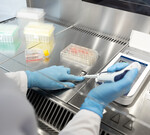
A portable biosensor may allow rapid, onsite detection of toxic ‘forever chemicals’ in water.
Per- and polyfluoroalkyl substances (PFAS) — a group of more than 15,000 synthetic chemicals used in products such as firefighting foams, food packaging and stain-resistant fabrics — are highly persistent in the environment and have been linked to serious health risks, including cancer. Further, current PFAS-testing methods have limited how often and where water could be monitored.
This is according to Henry Bellette, a La Trobe University PhD student who, together with a team including Dr Saimon Moraes Silva — Director of La Trobe’s Biomedical and Environmental Sensor Technology (BEST) Research Centre — has published a paper in ACS Sensors (doi.org/10.1021/acssensors.5c03678) setting out advantages of a point-of-need, yes/no biosensor solution.
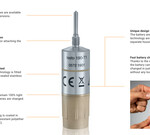
This paper concerns a protein-based electrochemical sensor for the point-of-need detection of perfluorooctanoic acid (PFOA), which is one commonly regulated PFAS compound of particular concern. Developed at La Trobe, through rapid, onsite detection of PFOA, the portable biosensor may remove the need for samples to be sent to specialist laboratories.
“Most PFAS testing relies on expensive laboratory equipment and specialist analysis, which makes regular monitoring difficult,” Bellette said. “This biosensor could be used onsite and provides a simple yes or no result, allowing water to be screened quickly and easily.”
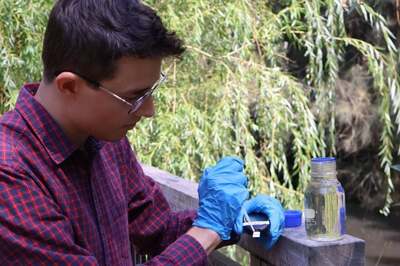
PFAS contamination has been identified across Australia, particularly at sites including airports, military bases and fire stations — where firefighting foams were historically used.
Silva said portable screening tools would play an important role in managing long-term contamination, with the researchers hoping that the technology developed can eventually be incorporated into a hand-held device for environmental monitoring and water screening.
“PFAS do not break down in the environment, so monitoring is an ongoing challenge,” Silva said. “A portable screening tool could allow more frequent testing, particularly in regional and remote areas, and help identify where more detailed laboratory analysis is needed.”
Award-winning system automates vial filling for cell therapy
Celleo's Larkem V40 — created to address one of the bottlenecks holding back cell...
Air pollutant exposure linked to glaucoma, cataracts and suicide
People who are exposed to high levels of air pollution are more likely to develop glaucoma and...
Could this 'nanobone' material allow children to regrow bone?
Australian scientists believe they have found an alternative to invasive bone graft procedures in...