dorsaVi teams with insurer to promote OHS device
Medical device company dorsaVi (ASX:DVL) has announced its first partnership with an insurer to promote the use of its ViSafe workplace safety device in Australian workplaces.
dorsaVi and insurance group Allianz will collaborate to recommend the use of ViSafe to reduce injuries to workers and improve occupational health and safety.
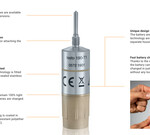
ViSafe is a biomechanical and electrophysiological device designed to measure a worker’s movement and muscle activity when undergoing physically demanding work. Users attach four sensors to either the lower back or shoulders to assess the strain being placed on these body parts.
The system is also designed to help injured workers rehabilitate and return to work.
As a result of the dorsaVi-Allianz partnership, Victorian health services provider Monash Health has commenced a biomechanical assessment program involving workers using the device.
According to Safe Work Australia, in 2011-2012, around 137,570 workers compensation claims for serious injuries or illnesses were filed in 2011-2012. Of these, some 42% involved sprains and strains, and 13.7% were for musculoskeletal disorders.
Allianz General Manager for Victorian workers compensation Norm Cockerell said the device has the potential to reduce claims on insurers, which would have a positive effect on insurance premiums.
“ViSafe is a unique device that has the ability to assess the stress and strains on an employee’s body while undertaking their job, providing information that can be used to make changes to improve workplace safety and reduce injuries,” he said.
DorsaVi (ASX:DVL) shares were trading unchanged at $0.54 as of around 1.30 pm on Tuesday.
Could this 'nanobone' material allow children to regrow bone?
Australian scientists believe they have found an alternative to invasive bone graft procedures in...
The last mile of life sciences innovation
How do we translate technological possibility into meaningful real-world impact?
Machine learning uncovers patterns in DNA methylation
A new machine-learning method identifies differentially methylated DNA regions without sample...