CTA granted for CAR-T cell therapy for multiple myeloma
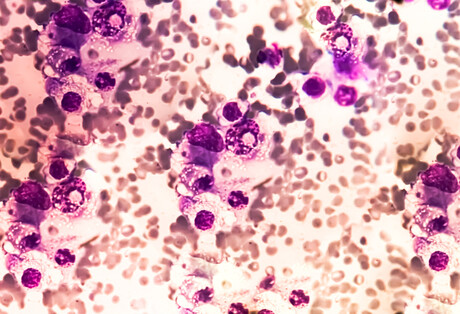
The Therapeutic Goods Administration (TGA) has granted Clinical Trial Approval (CTA) for a CAR-T cell therapy for multiple myeloma, which is the second most common blood cancer worldwide. A blood cancer arising from plasma cells in the bone marrow, despite significant advances in treatment, most multiple myeloma patients eventually relapse and become refractory to available therapies.
The CTA is for the Phase 1 clinical trial of KMCAR T-cell immunotherapy (KMCAR) in multiple myeloma (KOALA study), which will represent the first clinical evaluation of KMCAR T-cell therapy in humans. The ethics approval process is currently underway with Peter MacCallum Cancer Centre (Peter Mac), with the first patient expected during Q2 CY26.
Clinical stage Australian biotech company HaemaLogiX’s KMCAR is a novel autologous CAR-T cell therapy that targets Kappa Myeloma Antigen (KMA), a receptor found only on the surface of myeloma cells and not on healthy immune cells. Unlike currently approved BCMA-directed CAR-T therapies, HaemaLogiX stated that this tumour-specific targeting means that KMCAR T-cell is not expected to damage healthy immune cells — potentially offering patients an effective treatment without affecting their natural ability to ward off infection.
“CAR-T cell therapy has already transformed outcomes for some blood cancers, and KMCAR T- cell represents an exciting opportunity to expand these benefits to myeloma patients with a potentially safer approach,” said Professor Simon Harrison, Director of the Centre of Excellence in Cellular Immunotherapy at Peter Mac. “The KMA target has been extensively validated through the KappaMab antibody clinical trials conducted to date by HaemaLogiX, Alfred Health and Peter Mac.
“The exceptional safety profile observed in those studies is highly reassuring as we move into this first-in-human CAR-T trial for multiple myeloma. We look forward to advancing the KOALA clinical trial in the hope of bringing this innovative therapy to myeloma patients worldwide.”
Cancer drug enters clinical trials based on a false mechanism
A cancer drug currently being tested in patients appears to have entered clinical trials based on...
Russia insists there is "no plague case" following lab worker death
Russian health authorities say there is no evidence that pneumonic plague played a part in the...
Scientists 'reprogram' tumour-supporting immune cells
The approach, by an Australian team, uses lipid nanoparticles to target a type of immune cell...