Extending storage time of donor lungs outside the body
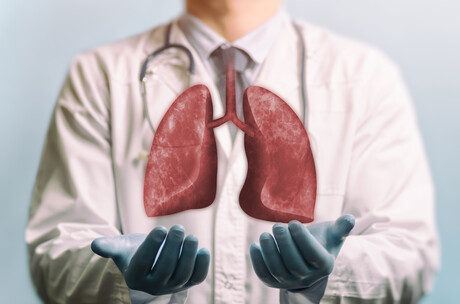
Storing donor lungs for transplant at 10°C markedly increases the length of time the organ can live outside the body, according to a clinical trial led by University Health Network’s (UHN) Ajmera Transplant Centre, Canada. Results of the trial were published in NEJM Evidence.
Lungs available for transplant are currently limited by the length of time a donor organ can be kept viable. Increasing storage time allows for viable donor lungs to come from greater distances, increasing the potential for greater numbers of lungs becoming available for transplant and overcoming many of the hurdles around transplant logistics.
The multicentre, non-randomised clinical trial of 70 patients demonstrated that donor lungs stored at 10°C remained healthy and viable for transplant up to four times longer compared to storage at the current standard of ice cooler preservation of around 4°C. The trial took place over 18 months at UHN’s Toronto General Hospital, the Medical University of Vienna, and Hospital Universitario Puerta de Hierro-Majadahonda in Madrid.
Some advantages of a 10°C standard for lung storage include the potential to reduce or eliminate the 24/7 schedule and urgency of lung transplant procedures. By increasing the length of time donor lungs are viable, transplant surgeries could become planned procedures, which avoids bumping scheduled surgeries and overnight transplantation.
The study suggests the new preservation temperature will allow more time to optimise immunologic matching between donor and recipients, and the possibility of performing lung transplantation in a semi-elective rather than urgent fashion. Better organ preservation also means better outcomes for patients.
“The clinical impact of this study is huge,” said lead author Dr Marcelo Cypel, Surgical Director of the Ajmera Transplant Centre.
“It’s a paradigm shift for the practice of lung transplant.”
Biodegradable smart patch can detect and treat blood clots
Researchers have developed a biodegradable smart patch that detects pressure changes and releases...
Biotech manufacturing facility opens in Brisbane
ENTRI, a purpose-built multimodal facility which will enable biotech companies to manufacture...
Maternal diet doesn't affect baby's food allergy risk
Higher maternal consumption of egg and peanut during pregnancy and breastfeeding does not protect...