Portable point-of-care test detects four common STIs in under an hour

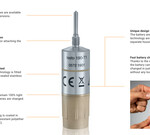
Australian researchers have developed a portable point-of-care test that detects four common sexually transmitted infections at once, in under an hour. The next-generation CRISPR-based diagnostic can simultaneously detect and distinguish between the DNA and RNA of multiple pathogens at the same time.
The test identifies syphilis, herpes, chlamydia and gonorrhoea, while also detecting a key antibiotic-resistance marker in gonorrhoea at the point of care, which the Peter Doherty Institute for Infection and Immunity — where some of the researchers are based — said marks a critical advance amid growing global antimicrobial resistance.
“This new device has been validated using 900 clinical samples, the largest set of STI samples reported globally for a CRISPR-based point-of-care device,” said The University of Melbourne’s Matthew O’Neill, Research Support Officer at the Doherty Institute and co-first author of the paper.
“When benchmarked against gold-standard laboratory PCR, the rapid test showed 97–100% accuracy in correctly identifying negative results, a level of precision important for safe, evidence-based treatment decisions.”
On the value of the tool, The University of Melbourne’s Dr Shivani Pasricha, Laboratory Head at the Doherty Institute and senior author of the paper, said concurrent research conducted in urban Victoria in collaboration with, and led by researchers from Melbourne Sexual Health Centre, showed that sometimes patients tested for herpes alone were positive for syphilis.
“Syphilis has long been known as the great mimicker. Correct treatment depends on correct diagnosis,” Pasricha said. “This novel [device] enables accurate diagnosis and treatment immediately, without waiting days for laboratory testing or requiring multiple clinic visits.”
Making testing more accessible and acceptable for patients and accelerating pathways to treatment, the technology can also support broader use of self-collected samples. “This makes it particularly valuable for regional, remote and underserved communities, where diagnostic delays are common and STI rates are often higher.”
A study about the tool was published open access in The Lancet Microbe on 3 March and you can read it at doi.org/10.1016/j.lanmic.2025.101289.
Scientists 'reprogram' tumour-supporting immune cells
The approach, by an Australian team, uses lipid nanoparticles to target a type of immune cell...
Existing medicines could help treat deadly childhood dementia
Australian researchers have identified several existing TGA‑approved medicines that could help...
Statins reduce heart attack and stroke risk in older people
It has previously been unclear whether statins were effective in reducing heart attack and stroke...