Researchers seek to cure cancerous paediatric tumour

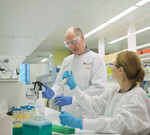
US researchers have come one step closer to helping children with cancer, recently authoring a study about paediatric cancer tumours called diffuse intrinsic pontine gliomas (DIPGs). Their multidisciplinary research, conducted by students at the University of Colorado Denver (CU Denver), focuses on identifying genetic mechanisms in order to develop therapeutic treatments for children with DIPGs.
DIPGs typically affect very young children and have the highest mortality rate of all child tumours. On average, children with DIPGs survive between nine months and two years. There are currently no drugs available to treat children with DIPGs.
Previous studies of DNA from DIPG patients have identified recurrent gene mutations, but the studies couldn’t show how the mutations caused the tumours. Researchers therefore could not develop an effective treatment.
The student research team developed a sophisticated and powerful technique called live-cell, single-molecule imaging, which allowed them to see how genetic processes lead to tumourigenesis — the formation of tumours. Furthermore, the research team found one single protein, called Chromobox 7, which can inhibit the DIPG tumour — ie, stop the cancer.
The study was published in the journal Nature Communications on 25 May. Almost immediately after it was published, requests began streaming in from other universities and researchers wanting to collaborate on the work — some from as far away as the United Kingdom. And since the publication, the student researchers have received multiple offers from medical and graduate schools.
“The groundbreaking concept is radically different from the previous models,” said Assistant Professor of Chemistry Xiaojun Ren. “We’re hoping in the future, it will provide new therapies that can be used to save lives.”
Follow us on Twitter and Facebook for the latest industry news. To receive our bimonthly magazine and weekly newsletters, click here.
Scientists 'reprogram' tumour-supporting immune cells
The approach, by an Australian team, uses lipid nanoparticles to target a type of immune cell...
Existing medicines could help treat deadly childhood dementia
Australian researchers have identified several existing TGA‑approved medicines that could help...
Statins reduce heart attack and stroke risk in older people
It has previously been unclear whether statins were effective in reducing heart attack and stroke...