Could this psychedelic compound reduce post-concussion symptoms?
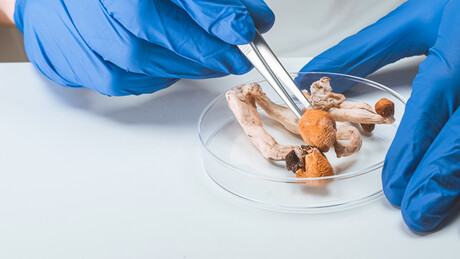
Few effective therapies exist for concussion. Now, an Australian clinical trial is exploring whether a psychedelic compound found in some mushrooms could help.
Up to 50% of people who sustain a mild traumatic brain injury, more commonly known as concussion, will experience persistent post-concussion symptoms, which commonly include cognitive and emotional issues plus other debilitating symptoms such as dizziness, headache, irritability and sleep disturbances. Few effective therapies exist; however, psilocybin — a psychedelic compound found in some mushrooms — has shown promise.
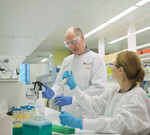
According to recent studies by Monash University, a single macro-dose of the drug can reduce the symptoms that often show up after brain injury. To test whether the psychedelic drug is an effective treatment for persisting post-concussion symptoms, the university’s researchers have launched a clinical trial (PACT-201) that leverages leading-edge capability and track record in neuro-imaging and biomarkers of psychedelics within the Monash Trauma Group, and clinical implementation and assessment within the Clinical Psychedelic Lab.
“Given the lack of effective treatment options for persisting and debilitating concussion symptoms, we are excited to be studying a promising new approach,” said Professor Terence O’Brien, Head of Monash’s School of Translational Medicine, Program Director Alfred Brain, and Deputy Director of Research at Bayside Health Alfred Care Group. “In addition to alleviating symptoms, research suggests it can also target the biological effects concussion has on the brain.”
The randomised, double-blind, active placebo-controlled clinical trial will study the effect of the drug on people who have had persistent post-concussion symptoms for at least six months, regardless of the cause of the original concussion. “We will also be looking at blood and neuroimaging biomarkers in the brain so we can understand exactly what the drug is doing in the body and how it is helping reduce symptoms,” said Professor Sandy Shultz from the Monash Trauma Group in the School of Translational Medicine.
“These benefits could last for at least six months post-treatment, which would be a game changer, and we will test this in the trial,” Shultz said, noting that researchers expect psilocybin will reduce neuroinflammation and enhance the brain’s ability to form new neural connections.
Head of the Clinical Psychedelic Lab Dr Paul Liknaitzky said the research will address a major unmet need for people with persistent post-concussion symptoms. “We’re testing a combined treatment approach that targets both the neurological and psychological drivers of patients’ symptoms and functionality,” Liknaitzky said.
More information on the PACT-201 clinical trial, including how to register interest to participate, is available at redcap.helix.monash.edu/surveys/?s=CADPA3NKYPRXJD38.
Air pollutant exposure linked to glaucoma, cataracts and suicide
People who are exposed to high levels of air pollution are more likely to develop glaucoma and...
Could this 'nanobone' material allow children to regrow bone?
Australian scientists believe they have found an alternative to invasive bone graft procedures in...
The last mile of life sciences innovation
How do we translate technological possibility into meaningful real-world impact?