Genetics shape our personality and life outcomes more than we thought
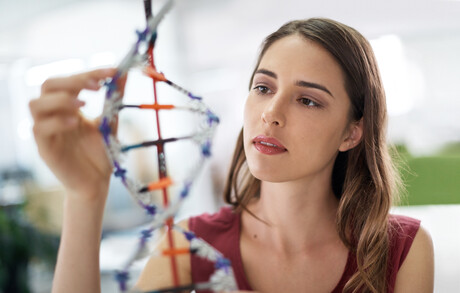
An international team of scientists has identified more than 1200 genetic variants associated with personality traits, revealing that the genetics underpinning our personalities may also influence many of life’s major outcomes. Led by the Revived Genomics of Personality Consortium, the study is understood to be the largest genetic investigation of personality ever conducted, combining data from 46 research cohorts around the world.
Researchers examined the ‘Big Five’ personality traits: openness to experience, conscientiousness, extraversion, agreeableness and neuroticism. Their findings, published in the journal Nature, show that genetic variants linked to personality are also associated with a broad range of outcomes, including mental and physical health, educational attainment, career trajectories, longevity and social relationships.
Researchers from Australia’s own QIMR Berghofer contributed family-based genetic analyses that helped separate the influence of genetics from the influence of shared family environments. By comparing relatives within families, the team was able to show that many of the observed genetic associations could not be explained simply by growing up in the same household. The findings thus provide a new understanding of how biology and environment work together to shape personality, explained Associate Professor Michelle Lupton.
“This very large-scale study shows us that our genetic make-up plays a key role — up to 16% of the variation in personality can be explained by common genetic variation,” said Lupton, who leads QIMR Berghofer’s Neurogenetics and Dementia Research Group. “The remaining is due to our environment, which includes our life circumstances and experiences.”
The study also revealed links between personality-related genetic variants and a range of behaviours and lifestyle factors. For example, genetic variants associated with conscientiousness were linked to higher daytime activity levels, while variants associated with openness and extraversion were linked to night-owl tendencies.
Notably, the study found no evidence for a single ‘personality’ gene; instead, personality differences arise from the combined influence of many genetic variants, each contributing only a very small effect. Furthermore, the findings highlight the complex two-way relationship between genetics and environment. For example, genetic variants associated with openness to experience were linked to living in more cosmopolitan neighbourhoods — environments that may then further reinforce those personality characteristics.
Lupton said that understanding the genetic foundations of personality could help researchers better understand a range of health and behavioural outcomes. By examining how personality and genetics interact with other health traits, researchers can better understand the underlying causes of disorders and identify the most appropriate treatments and interventions for individuals.
“Personality influences many aspects of everyday life, including health behaviours, social relationships and wellbeing,” she said. “These findings provide an important foundation for future research exploring how personality may be connected to health and disease across the lifespan.”
Lead author Dr Ted Schwaba, from Michigan State University, agreed that the findings highlight the widespread influence of personality across many areas of life. The researchers therefore hope their work will encourage greater consideration of personality traits in fields ranging from mental health and medicine to education and workforce research.
Maternal diet doesn't affect baby's food allergy risk
Higher maternal consumption of egg and peanut during pregnancy and breastfeeding does not protect...
Overuse of inhalers can increase heart attack risk
Overuse of reliever inhalers is associated with higher risks of developing and dying from...
Unhealthy Western diet could accelerate cognitive decline
An unhealthy Western-style diet is associated with a faster cognitive decline in people with a...