Fast-aging placentas may contribute to pre-eclampsia
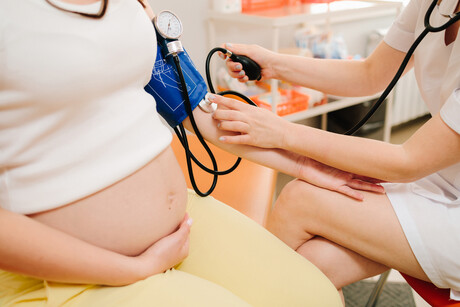
Pre-eclampsia affects up to 8% of pregnancies worldwide and contributes to about 16% of maternal deaths globally, making it one of pregnancy’s most serious complications. Now, research led by Flinders University has uncovered clues about why pre-eclampsia occurs.
The placenta acts as a baby’s lifeline during pregnancy, supplying oxygen and nutrients while removing waste. When it is not functioning properly — as in the case of pre-eclampsia — the risks to both mother and baby increase significantly.
For this investigation, researchers examined placental tissue from healthy pregnancies and pregnancies affected by late onset pre-eclampsia. They also used laboratory-grown mini placentas, known as trophoblast organoids, to explore the condition in greater detail.
The team found that placentas affected by pre-eclampsia showed several signs of accelerated aging, including increased DNA damage, shortened telomeres that protect chromosomes, and a build-up of aged cells that no longer function normally.
“Rather than being simply a consequence of disease, placental aging may be an important process that contributes to pre-eclampsia,” noted lead author Dr Anya Arthurs, from the Flinders Health and Medical Research Institute.
“Previous research has linked placental aging to pregnancy complications, but we wanted to understand the processes causing a placenta to age prematurely.”
The researchers identified oxidative stress as a major contributor. Oxidative stress occurs when harmful molecules accumulate faster than the body’s natural defences can remove them, causing damage to cells and tissues.
“When oxidative stress increases, placental cells accumulate damage that appears to accelerate the aging process,” Arthurs said. “What we found particularly encouraging was that reducing oxidative stress in our laboratory models lessened several markers of placental aging.”
The study also revealed an important role for molecules known as telomeric repeat-containing RNAs, or TERRAs, which help protect chromosome ends and maintain healthy cell function. The researchers found lower levels of these molecules in placentas affected by pre-eclampsia, and when TERRA levels were reduced in laboratory models, signs of cellular aging became even more pronounced.
While further work is needed before any new therapies can be used during pregnancy, the researchers say their new findings — published in the journal PNAS — are helping to pinpoint biological pathways that may eventually lead to better prevention of difficulties, earlier identification of at-risk pregnancies and improved care.
“Understanding what drives this process gives us new opportunities to explore ways of protecting placental function and improve outcomes for mothers and babies,” Arthurs concluded.
BioNTech opens mRNA manufacturing facility at La Trobe
Offering state-subsidised access to researchers and biotech startups, the facility aims to enable...
Personalised melanoma vaccine cuts risk of recurrence
Adding a personalised, mRNA-based cancer vaccine to standard immunotherapy after surgery for...
Research project to produce fish-free omega-3
SCU researchers are investigating how to grow omega-3-producing microorganisms more cheaply...