Pesticides drive loss of invertebrate biodiversity
The current rate of biodiversity loss appears to be accelerating rather than slowing, and aquatic invertebrates are no exception.
A study looking at the effects of insecticides and fungicides currently in use in Europe and Australia has found the pesticides decrease the regional biodiversity of stream invertebrates.
Researchers, including environmental scientists from the University of Technology, Sydney, analysed the effects of pesticides on the regional taxonomic richness of aquatic insects and other invertebrates using data from France, Germany, and Southern Victoria in Australia. Taxa richness is a fundamental measure of biodiversity; that is, measuring the number of taxa inhabiting a site or set of sites.
Biodiversity was compared across flowing water sites that were highly contaminated, slightly contaminated or uncontaminated by pesticides.
The analysis found that in Europe there was a significant decrease in biodiversity of 42% in contaminated sites, and in Australia, a decrease of 27%.
UTS Centre for Environmental Sustainability ecotoxicologist Dr Ben Kefford and colleagues believe this is the first study to investigate and quantify the effects of pesticides on regional biodiversity in aquatic environments.
Kefford said that even though pesticides were generally well investigated and regulated, this had primarily been based on lab work and artificial ecosystems.
The research also revealed that the overall decrease in biodiversity was primarily due to the disappearance of several groups of species that were especially susceptible to pesticides.
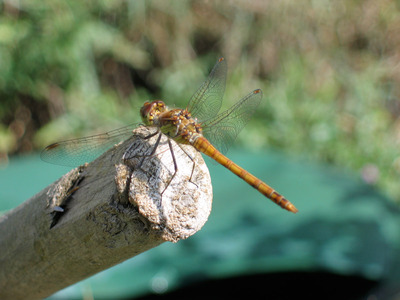
“These mainly include representatives of the stoneflies, mayflies, caddisflies and dragonflies and are important members of the food chain right up to fish and birds,” Kefford said.
The impact of pesticides in Europe were detected at concentrations considered environmentally protective according to current European regulations.
The researchers point out that pesticide use is an important driver of biodiversity loss and current regulatory standards do not adequately protect the biodiversity of invertebrates in flowing waters. New concepts linking ecology with ecotoxicology are therefore urgently needed.
The research was published in PNAS.
Scientists uncover how cancer cells hide from immune system
By targeting the RNA helicase known as DDX6, scientists could enable the immune system to...
Vanillin flavouring in vapes may disrupt embryo development
Vanillin — a common flavouring chemical in e-cigarettes — may disrupt the normal...
Heart valve tissues created from stem cells
The breakthrough should help advance our understanding into how human heart valves develop,...