Lipid science receives new Australia-led online hub
The Lipid Network launched this month to build links between researchers, clinicians and industry across the diverse and rapidly evolving field of lipid science. Investigating the structure, function and metabolism of fats, covering their roles in industrial processes, the environment and health, emerging lipid research areas include cardiovascular health, nutrient regulation, lipidomics and biomarker discovery to understand, prevent or treat malfunction in diverse settings.
An initiative led by Flinders University, The Lipid Network is an international, community-driven platform that brings together researchers and stakeholders across disciplines including biochemistry, clinical lipidology, microbiology, agriculture and environmental science. The online hub is designed to facilitate knowledge exchange, promote interdisciplinary collaboration, and highlight emerging research and innovation in lipid science.
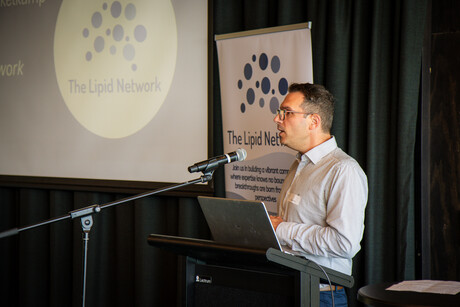
“The Lipid Network is connecting and empowering the global lipid research community,” said Associate Professor Bart Eijkelkamp, Flinders University researcher and Lipid Network President, who addressed the official launch of the project this month. “It provides a dedicated, inclusive platform designed to connect the global lipid community, foster collaboration and support the next generation of scientists.”
Eijkelkamp added: “The new centralised, accessible platform is uniting the lipid research community and also aims to bridge gaps between disciplines, career stages and geographic regions.” Intended to strengthen the global lipid research community by enabling collaboration across academia, industry and clinical sectors, the hub provides access to awards — including publication awards — while maintaining a free and accessible membership model designed to help accelerate innovation in lipid science worldwide.
Researchers, students and professionals can join The Lipid Network by registering any prior experiences with lipids at www.lipidnetwork.com.
Maternal diet doesn't affect baby's food allergy risk
Higher maternal consumption of egg and peanut during pregnancy and breastfeeding does not protect...
Overuse of inhalers can increase heart attack risk
Overuse of reliever inhalers is associated with higher risks of developing and dying from...
Unhealthy Western diet could accelerate cognitive decline
An unhealthy Western-style diet is associated with a faster cognitive decline in people with a...