3D-printed drug approved for epilepsy treatment
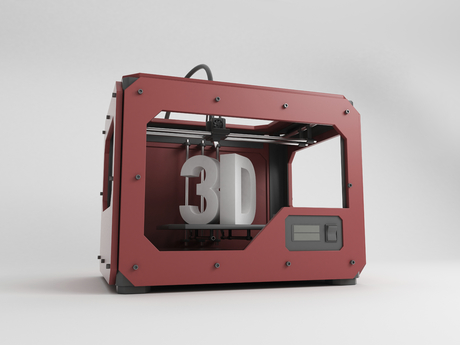
Aprecia Pharmaceuticals’ SPRITAM (levetiracetam) drug product, which utilises three-dimensional printing (3DP) technology, has been approved by the US FDA for the treatment of partial onset seizures, myoclonic seizures and primary generalised tonic-clonic seizures in adults and children with epilepsy.
SPRITAM utilises Aprecia’s ZipDose Technology platform, which uses 3DP to enable the delivery of a high drug load — up to 1000 mg in a single dose — which rapidly disintegrates with just a sip of liquid. This makes the product particularly suitable for patients who have difficulty swallowing or are otherwise impeded from taking their medication as prescribed, which can undermine treatment outcomes.
“In my experience, patients and caregivers often have difficulty following a treatment regimen,” said Dr Marvin H Rorick III, a neurologist at Riverhills Neuroscience in Cincinnati, Ohio. “Whether they are dealing with a swallowing disorder or the daily struggle of getting a child to take his or her medication, adherence can be a challenge. Especially for children and seniors, having an option for patients to take their medication as prescribed is important to managing this disease.”
Aprecia is said to be the only company in the world to use 3DP technology to develop pharmaceutical products at commercial scale, with this latest milestone marking the first time a drug manufactured with the technology has been approved by the FDA. In addition, each dose of SPRITAM is individually packaged, meaning there is no measuring required and it is easy to carry the treatment on the go.
“By combining 3DP technology with a highly prescribed epilepsy treatment, SPRITAM is designed to fill a need for patients who struggle with their current medication experience,” said Aprecia CEO Don Wetherhold. “This is the first in a line of central nervous system products Aprecia plans to introduce as part of our commitment to transform the way patients experience taking medication.”
SPRITAM is expected to be available in the first quarter of 2016.
Could this 'nanobone' material allow children to regrow bone?
Australian scientists believe they have found an alternative to invasive bone graft procedures in...
The last mile of life sciences innovation
How do we translate technological possibility into meaningful real-world impact?
Machine learning uncovers patterns in DNA methylation
A new machine-learning method identifies differentially methylated DNA regions without sample...