In the face of change: how Antarctic microbes can survive a 95°C temperature span
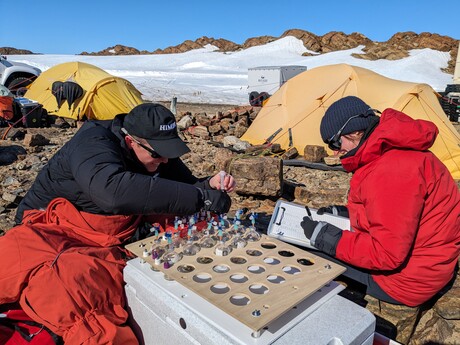
Analysis of microbial soil samples has helped Australian scientists understand the resilience of Antarctica’s unique microbial ecosystems to a changing climate.
Aerotrophy is the process that explains microbes’ ability to thrive during Antarctica’s dark, freezing winters, but also makes them suited to a future shaped by rising temperatures, a study led by Monash University researchers from Securing Antarctica’s Environmental Future (SAEF) has confirmed. Through this process, microbes live from gases — including hydrogen and carbon monoxide — in the atmosphere, surviving temperatures ranging from –20 to 75°C.
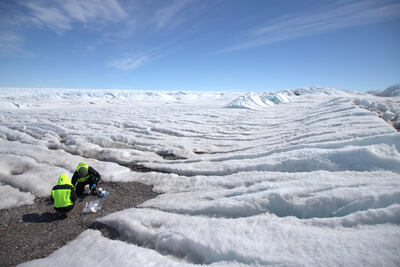
“It’s a bit like seeing a penguin thrive in a tropical jungle,” said Dr Ry Holland, Monash microbiology research fellow and co-author of the study published open access (doi.org/10.1093/ismejo/wrag020) in The ISME Journal. “In most surface ecosystems, photosynthesis is the key process that enables life to grow. However, it requires sunlight and water, two things that are in short supply during dark Antarctic winters, when water is locked up as ice.
“By contrast, the air is always there, providing a steady supply of hydrogen, carbon monoxide and other trace gases,” Holland added. The team found that at typical summer temperatures of 4°C and winter temperatures of –20°C, Antarctic microbes continue to consume these gases as an energy source, confirming that aerotrophy occurs year-round.
“When we continued to increase the temperature in the lab, we were surprised to find that they continued to consume hydrogen up to 75°C. This shows that while these microbes are adapted to the continent’s cold conditions, they are not limited by them,” said Dr Tess Hutchinson, study lead author, from Monash Biomedicine Discovery Institute (BDI).
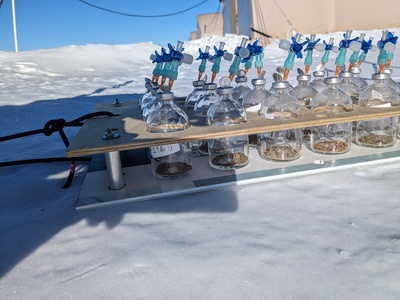
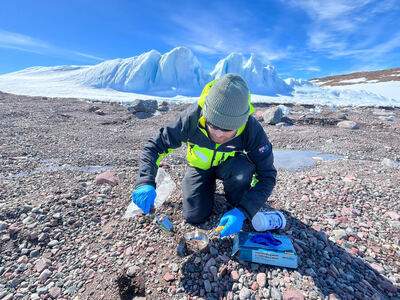
The SAEF program partnered with national Antarctic programs and business partners to access sites across East Antarctica, with the aim to build a continent-wide understanding of the process of aerotrophy. For the study, soil samples were collected in Dronning Maud Land — with logistics support from White Desert — and from the Bunger Hills and Robinsons Ridge, through the Australian Antarctic Program.
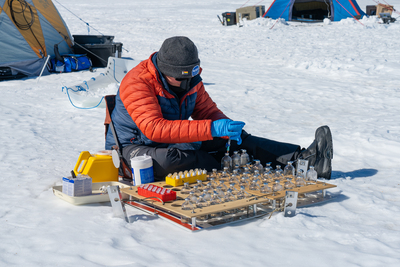
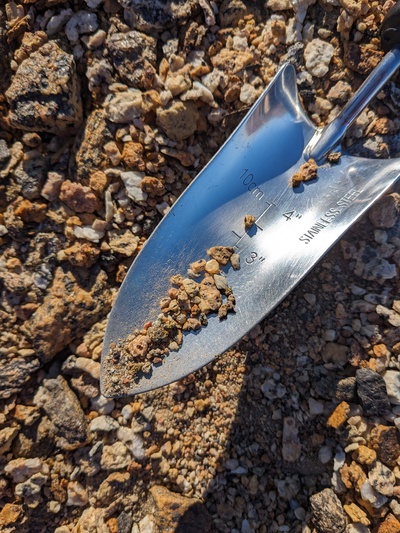
How quickly microbes consumed atmospheric gases was then measured, both in the lab and in the field. The team also extracted and sequenced the microbes’ DNA to identify which species were present, the genes they carry and the energy sources they are capable of using. What they found was that aerotrophy is a widespread and foundational survival strategy across Antarctica, not an isolated adaptation.
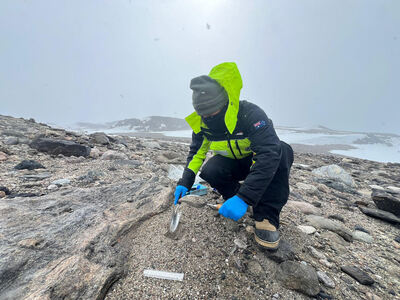
“Aerotrophy is clearly a vital process supporting ecosystems across East Antarctica,” Hutchinson said, describing the study as an important puzzle piece to understandings of Antarctic microbial ecosystems’ resilience to a changing climate. “It can occur in the dark or the light, in extreme cold and at surprisingly high temperatures. It’s good to know that these microbes are resilient to rising temperature, but there are lots of other factors that also determine how microbes will respond to climate change that we are continuing to uncover.”
Award-winning system automates vial filling for cell therapy
Celleo's Larkem V40 — created to address one of the bottlenecks holding back cell...
Air pollutant exposure linked to glaucoma, cataracts and suicide
People who are exposed to high levels of air pollution are more likely to develop glaucoma and...
Could this 'nanobone' material allow children to regrow bone?
Australian scientists believe they have found an alternative to invasive bone graft procedures in...