Robotic laboratory to fast-track drug invention, trials and commercialisation
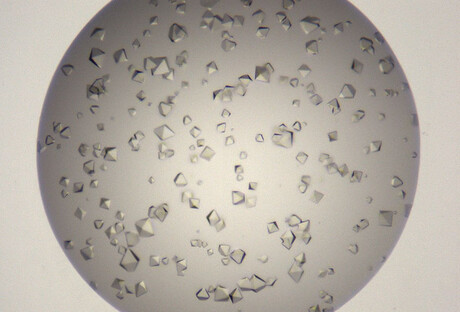
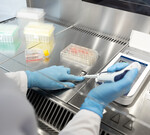
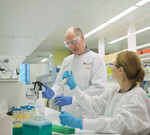
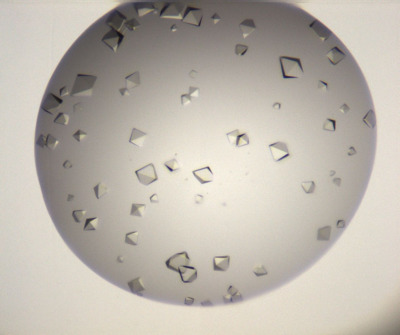
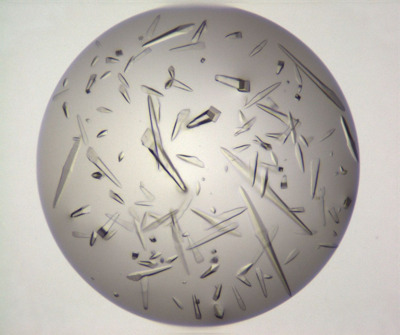
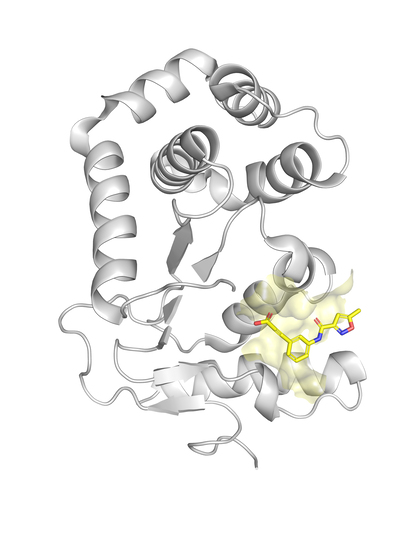
As part of a $2.9 million national project, Monash University is partnering with key institutions to launch a robotic laboratory that, it says, is capable of drastically speeding up the invention, trials and commercialisation of medicines by Australian researchers. Backed by a Medical Research Future Fund National Critical Research Infrastructure grant, the nationally accessible facility will house what the university called Australia’s first automated system for high-throughput X-ray crystallography, often referred to as HTX, at the Australian Synchrotron in Clayton. A powerful scientific technique that involves blasting tiny biological crystals with X-rays to map the exact 3D shape of disease-causing proteins, HTX reveals how a molecule binds to its target.
“When we’re creating a new medicine, we need to design a compound to fit into a specific pocket of a protein, but the protein often changes shape in response. We might plug one hole only to realise the protein has shifted and created two more. Ultimately, the protein decides what fits,” said Professor Martin Scanlon, Head of Medicinal Chemistry at the Monash Institute of Pharmaceutical Sciences (MIPS) in the Faculty of Pharmacy and Pharmaceutical Sciences. “HTX allows us to rapidly capture those changes. It doesn’t instantly solve the puzzle, but it provides the real-time data we need to accelerate that iterative back-and-forth process, allowing us to incrementally build a successful compound.”
Once a slow and exhausting manual process for researchers, 25 years ago — to put the technology into perspective — researchers were flying to Chicago twice a year to collect a fraction of the structural data that will be available, Monash said. “HTX will attract investment, and importantly grow the Australian biotechnology and clinical trials economy as more partners invest locally to bring new clinical candidates to market,” Scanlon added. “Analysis of drug discovery projects successful in generating a clinical candidate showed 65% relied on structural information, most of which were derived from X-ray crystallography.”
Professor Christopher Porter, Director of MIPS, said: “HTX could allow us to screen a library of ~1000 compounds automatically in three days without human intervention, which is well beyond what is currently feasible with manual data collection.” A new method called crystallographic fragment screening, which tests tiny pieces of molecules to see which specific parts stick to a disease target best before snapping them together into a final drug, will also be introduced. “Instead of looking for one giant, perfect molecule right away, fragment screening allows us to test small pieces or fragments of molecules to see which individual parts fit into the target best,” Porter said. “Once we know which fragments stick, our medicinal chemists can pull that information together to build a single highly effective, custom-designed drug.”
Monash said the platform will boost sovereign capability in therapeutics, supporting hundreds of researchers across the country investigating treatments for over 40 disease targets, including bacterial infections, cancer, HIV and neurodegeneration. “This platform gives our scientists the world-class engine they need to turn basic biomedical research into the life-saving medicines of tomorrow, ensuring more Australian discoveries are clinically tested and commercialised right here at home,” Scanlon said.
Phone: 03 9905 4000
Terumo K-Pack Embrace active safety needle
The K-Pack Embrace active safety needle is packaged in a rigid cap and case container, designed...
Scientifica PatchPad Evo electrophysiology controller
Scientifica introduces PatchPad Evo, a next-generation electrophysiology controller that provides...
AdipoGen Cystatin C (mouse) (monomer):Fc (silent) InVivoKine fusion proteins
InVivoKines are a new generation of recombinant fusion proteins for immunotherapeutic,...