BiomeBank's new GMP facility to scale up microbiome therapy
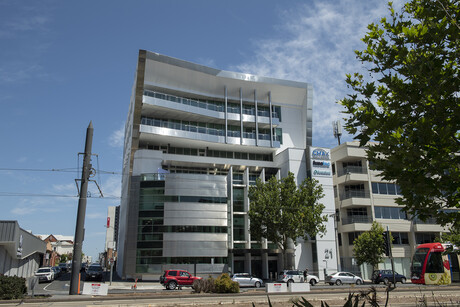
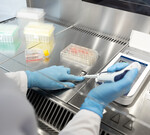
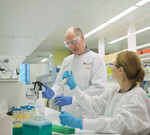
Clinical-stage biotech company BiomeBank has opened a new GMP manufacturing facility, located in the heart of Adelaide’s biomedical precinct, in order to increase global supply of the company’s donor-derived microbiome-based therapy and to further develop its second-generation therapies. It is also designed to facilitate local collaboration and foster innovation within South Australia’s growing biomedical sector.
In addition to the GMP facility, BiomeBank has added a new research and development laboratory and office space, having grown its initial staff from 18 to 32 with further growth forecast for 2024.
“Microbiome-based therapies are transforming the treatment of chronic disease globally, and BiomeBank is leading the charge with its approved first-in-class microbiome-based therapy,” said BiomeBank Chair Chris Hall.
“This facility will support our expansion in delivering this treatment to other regions to meet global demand. The research and development lab will also help to progress our promising pipeline of second-generation products.”
“This facility will allow us to further develop and scale our Consortiome, which is an artificial cultured human microbiome created in a bioreactor,” added BiomeBank co-founder and CEO Dr Sam Costello. “This breakthrough technology has the potential to provide broad replacement of human gut microbes at scale to treat a number of common diseases.
“Our first therapy developed from this platform will enter clinical trials for patients with ulcerative colitis in 2024. Having the right tools and environment to continue developing our therapies has been critical for us to fulfil our mission to develop therapies to restore human gut microbial ecology.
“This facility comes after a productive 12 months where we received the first regulatory approval of a microbiome therapy worldwide.”
BiomeBank has also announced multiple partnerships with leading research organisations, including research collaborations with the Hudson Institute of Medical Research and RMIT University for microbiome drug discovery and to support the Microbial Restoration in Inflammatory Bowel Disease (MIRO) study — understood to be the world’s first pivotal trial demonstrating microbiome restoration in the treatment of Crohn’s disease.
Russia insists there is "no plague case" following lab worker death
Russian health authorities say there is no evidence that pneumonic plague played a part in the...
Scientists 'reprogram' tumour-supporting immune cells
The approach, by an Australian team, uses lipid nanoparticles to target a type of immune cell...
Existing medicines could help treat deadly childhood dementia
Australian researchers have identified several existing TGA‑approved medicines that could help...