Clinical trials facility opens in Adelaide
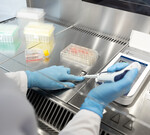
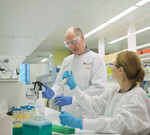
Pharmaceutical company IDT Australia (ASX:IDT) has officially opened CMAX Adelaide, claimed to be Australia’s largest and most contemporary early-phase clinical trial facility.
Projects that will be undertaken in the new facility include a study investigating a wristwatch-like device which aims to provide an early warning system for hypoglycemic events in diabetic patients, as well as a gene therapy study developed by a Japanese biopharmaceutical company for the treatment of peripheral arterial disease.
South Australian Minister for Health Industries Jack Snelling said each phase 1 trial at CMAX will inject revenue into the local economy and involve over 50 staff, including 30 nurses and 15 lab technicians.
“Adelaide is also an important site for phase 2 and phase 3 trials, making the city a one-stop shop for pharmaceutical companies,” he said. “The South Australian Government is targeting health industry investment; an important part of this is attracting clinical trials from the United States, Europe and China.”
Jane Kelly, vice president clinical service CMAX, said her team is excited to be working adjacent to one of the largest health focused city precincts in the Southern Hemisphere, Adelaide’s BioMed City.
“We are all excited about the start of a new era,” she said. “We look forward to working with our valued clients and partners on developing innovative healthcare solutions that will provide life-enhancing benefits to loved ones and all communities.”
IDT Australia (ASX:IDT) shares were trading 4.29% lower at $0.335 as of around 1 pm on Monday.
Scientists 'reprogram' tumour-supporting immune cells
The approach, by an Australian team, uses lipid nanoparticles to target a type of immune cell...
Existing medicines could help treat deadly childhood dementia
Australian researchers have identified several existing TGA‑approved medicines that could help...
Statins reduce heart attack and stroke risk in older people
It has previously been unclear whether statins were effective in reducing heart attack and stroke...