Scientists uncover how cancer cells hide from immune system
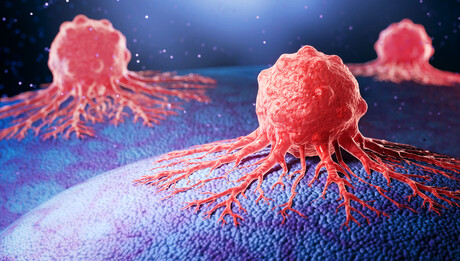
Researchers from the Cancer Science Institute of Singapore (CSI Singapore) at the National University of Singapore say they have uncovered a previously unknown mechanism that helps cancer cells evade detection by the body’s immune system, paving the way for the development of more effective cancer immunotherapies. Their work has been published in the journal Science Immunology.
Our immune system is constantly searching for abnormal cells, including cancer cells. One of the warning signals it looks for is double-stranded RNA (dsRNA), which are produced naturally within cells. Because these molecules resemble RNA produced during viral infections, they can trigger the innate immune system, which is the body’s first line of defence against foreign or abnormal cells.
Many cancer cells suppress these warning signals, allowing them to grow unnoticed, but scientists did not fully understand how this happened. Previous studies have shown that ADAR1, an enzyme that edits RNA, helps regulate how cells respond to dsRNA. This latest study identifies the RNA helicase DDX6 as a previously unrecognised suppressor of dsRNA sensing.
Led by Associate Professor Polly Chen, Deputy Director and Principal Investigator of CSI Singapore, the team found that DDX6 works together with ADAR1 to suppress these natural danger signals. As a result, DDX6 reduces immune activation triggered by endogenous dsRNA, hence making cancer cells much less visible to the immune system.
“Cancer cells are remarkably good at hiding from the immune system; our study uncovered a previously unknown mechanism that helps them stay hidden,” said Chen, the lead author on the study.
“By targeting DDX6, we may be able to remove this ‘cloak’ and enable the immune system to recognise and attack cancer more effectively. Beyond its therapeutic potential, this work also changes our understanding of how RNA editing regulates immune responses.”
For many years, the prevailing view was that RNA editing weakened the structure of dsRNA, making it less likely to trigger immune responses. Instead, the research team found that certain RNA editing events can instead strengthen dsRNA structures, enhancing their ability to activate the body’s natural immune defences. DDX6 prevents these beneficial RNA editing events from occurring, helping tumours escape immune attack.
“What surprised us most was that the biology did not behave the way we expected,” said first author Dr Larry Ng, Research Fellow at CSI Singapore.
“This completely changes how we think about the relationship between RNA editing and immune activation, and opens up exciting new possibilities for developing cancer therapies.”
The discovery thus identifies a novel mechanism of cancer immune evasion and highlights DDX6 as a potential new target for cancer immunotherapy. Indeed, laboratory studies have shown that removing DDX6 restored immune signalling and slowed tumour growth by allowing cancer cells to become more visible to the immune system.
The research team is now working to identify molecules that block DDX6 and investigate their ability to enhance anti-tumour immune responses. In parallel, they plan to identify additional proteins involved in this pathway and determine how they contribute to cancer-associated immunosuppression. Together, these efforts could uncover additional therapeutic targets that could strengthen anti-tumour immunity.
Scientists 'reprogram' tumour-supporting immune cells
The approach, by an Australian team, uses lipid nanoparticles to target a type of immune cell...
Existing medicines could help treat deadly childhood dementia
Australian researchers have identified several existing TGA‑approved medicines that could help...
Statins reduce heart attack and stroke risk in older people
It has previously been unclear whether statins were effective in reducing heart attack and stroke...