Hospital sewage promotes antibiotic-resistant bacteria
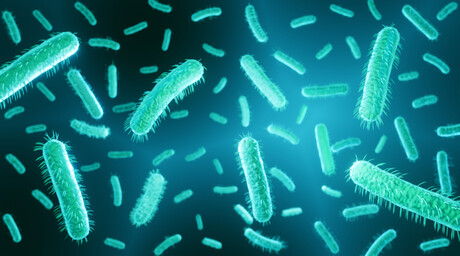
Antibiotics excreted by patients promote antibiotic-resistant bacteria in hospital sewers, according to a new study from the University of Gothenburg. This may contribute to the development and spread of hard-to-treat infections; that said, pinpointing the responsible antibiotics paves the way for targeted measures.
Most conclusions about the environmental effects of pharmaceuticals are based on experiments where researchers intentionally add drugs at concentrations matching those measured in the environment. Such studies show what effects drugs can cause, but not whether those effects actually occur under real-world environmental conditions. This latest study, published in the journal Nature Communications, goes one step further by documenting effects directly within hospital sewer pipes.
The study examined sewer systems and wastewater from hospitals and municipal treatment plants in eight Swedish cities. Sewage from all 10 hospitals promoted antibiotic-resistant bacteria, while no such effects were found after exposure to sewage from the corresponding municipal treatment plants.
“To my best knowledge, this is the first direct field evidence in over 25 years conclusively linking observed environmental effects to pharmaceuticals excreted from humans,” said Professor Joakim Larsson Director of Gothenburg’s Centre for Antibiotic Resistance Research (CARe).
International guidelines emphasise the need to limit selection for antibiotic resistance in the environment, as antibiotic pollution could ultimately render antibiotics ineffective. While advanced treatment at municipal sites can reduce the further spread of antibiotics and other pharmaceuticals, it cannot prevent the resistance evolution that has already taken place in hospital sewage. The results therefore point to hospital sewage systems as a critical site for future targeted interventions.
“Knowing where resistant bacteria are promoted — and where they are less likely to be — is crucial when deciding how resources and efforts should be allocated to limit risks for antibiotic resistance development,” Larsson said.
When the researchers made a sensitive E. coli strain resistant to fluoroquinolones and penicillin-like antibiotics, it was able to grow well in hospital sewage where it otherwise could not. This showed that it was primarily these antibiotic classes that were responsible for giving resistant bacteria an advantage. Ciprofloxacin — a commonly used fluoroquinolone often prescribed for urinary tract infections — was identified as a key driver. Cefotaxime — a penicillin-like antibiotic only used at hospitals — also contributed. Several independent lines of evidence, including chemical analyses and studies of bacterial cell responses, pointed in the same direction.
“The findings suggest that similar resistance selection occurs in the sewers of most hospitals worldwide,” Larsson said. “In Sweden, total antibiotic use is relatively low, but hospital use is comparable to that in many other European countries.
“Antibiotic use must always be guided by patients’ medical needs. But now that we know which types of drugs drive resistance selection in sewage, we can also develop more targeted solutions to mitigate risks.”
Why are aging immune cells less effective?
Researchers have identified three distinct ways aging disrupts the genetic instructions that...
'Mini brains' mimic MS myelin damage
The MS organoids give researchers a highly detailed cellular view of myelin destruction...
Fast-aging placentas may contribute to pre-eclampsia
Placentas affected by pre-eclampsia show several signs of accelerated aging, including increased...