Genome sequence puts roundworm on the ropes
Thursday, 27 October, 2011
It has an health impact similar to malaria, but roundworm receives vastly less attention from researchers and those seeking to treat this common parasite.
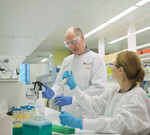
But now a team of international researchers led by Dr Aaron Jex and Professor Robin Gasser from the University of Melbourne's Faculty of Veterinary Science have published a draft genome of Ascaris suum, or the common roundworm.
This unattractive critter (although nematode experts’ perspectives may differ) mainly infects pigs, but it is closely related to parasites that infect people, including Ascaris lumbricoides which causes ascariasis in humans.
Ascariasis has been identified by the World Health Organization as a neglected disease in urgent need of research and treatments.
It infects over one billion people worldwide, mainly in developing countries. It causes nutritional deficiency, impaired physical and cognitive development. It is also a killer, causing about 135,000 deaths annually.
The genome, published today in Nature, found about 18,500 protein-coding genes – less than found in humans – including many that are involved in evading the host immune system.
The researchers involved also identified a number of potential drug targets, which could be the basis of new treatments for roundworm infection.
“Sequencing the genome of Ascaris suum is a major step towards controlling the infection it causes because the more we know about the genetics of the parasite and how it works, the better we can fight it with novel treatments,” said Dr Jex.
“From the genome sequence we have identified five high priority drug targets that are likely to be relevant for many other parasitic worms. New treatments are urgently needed and genome-guided drug target discovery is ideal for identifying targets that selectively kill the parasite and not the host.
“We also identified key information on how the parasite hides from the immune system, which is essential for any future vaccine development.”
The genome was sequenced using a HiSeq 2000 from Illumina.
The draft genome was published today in Nature.
Maternal diet doesn't affect baby's food allergy risk
Higher maternal consumption of egg and peanut during pregnancy and breastfeeding does not protect...
Overuse of inhalers can increase heart attack risk
Overuse of reliever inhalers is associated with higher risks of developing and dying from...
Unhealthy Western diet could accelerate cognitive decline
An unhealthy Western-style diet is associated with a faster cognitive decline in people with a...