Malaria vaccine successfully tested in humans
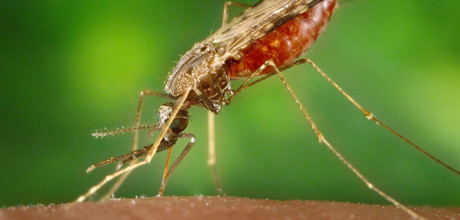
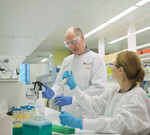
Griffith University researchers have shown that the whole blood-stage malaria parasite vaccine PlasProtecT, tested in collaboration with the Gold Coast University Hospital, is safe and induces an immune response in humans.
The world-first project has been years in the making for Professor Michael Good and Dr Danielle Stanisic, who first began clinical trials in 2013. Dr Stanisic explained that volunteers, who had to attend appointments at Griffith’s Clinical Trials Unit every two days for a month, were administered with inactivated human malaria parasites that prevent them from growing and causing a malaria infection.
Professor Good had so much faith in the vaccine that he was the first person to receive it.
“I wouldn’t ask people to do what I wouldn’t be prepared to do, and we couldn’t do this without the volunteers who give their time to us knowing they are helping further work towards a cure,” he said.
Dr Stanisic explained that the vaccine was initially found to be able to induce cross-species protection in preclinical trials. “We’ve now taken a human version of the vaccine and tested it in volunteers and shown it is safe and induces an immune response,” she said.
“We are the first to put a vaccine like this into humans that has potential to protect against multiple strains and species of malaria.”
The researchers’ next trial will test whether or not the vaccine protects people by immunising volunteers and challenging them with the malaria parasite. They are also seeking to take their project to malaria-endemic countries — a move that will cost them $500,000.
Rotary clubs are now ramping up fundraising efforts for the researchers, with Governor-General Sir Peter Cosgrove today launching the Malaria Vaccine Project. The project has already raised $50,000 and is accepting further donations at https://malariavaccineproject.com/.
Rotary past district governor Graham Jones said Rotary’s work with impregnated nets is helping in all kinds of endemic countries, but an effective vaccine is sorely needed.
“This research could be the gateway to sustainable development of the vaccine and its use in eradicating malaria worldwide,” he said.
Scientists 'reprogram' tumour-supporting immune cells
The approach, by an Australian team, uses lipid nanoparticles to target a type of immune cell...
Existing medicines could help treat deadly childhood dementia
Australian researchers have identified several existing TGA‑approved medicines that could help...
Statins reduce heart attack and stroke risk in older people
It has previously been unclear whether statins were effective in reducing heart attack and stroke...