Oral bacteria accelerate pancreatic cancer in mice
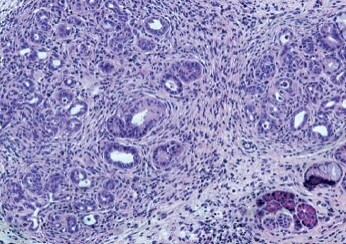
Israeli scientists have uncovered a pivotal link between oral bacteria and the onset of pancreatic cancer in mice. Their research delves into the intricate relationship between oral microbiota and the acceleration of pancreatic cancer development, offering crucial insights into early detection, prevention and potential therapeutic avenues.
Pancreatic ductal adenocarcinoma (PDAC) has been connected to the presence of Porphyromonas gingivalis, a prevalent anaerobic bacterium known for its association with periodontal disease. Leveraging epidemiological clues, Professor Gabriel Nussbaum’s team at the Institute of Biomedical and Oral Research, based at The Hebrew University of Jerusalem, embarked on a journey to elucidate the potential of P. gingivalis in driving the progression of one of the deadliest forms of cancer.
The team’s research entailed a comprehensive examination of P. gingivalis translocation from the oral cavity to the pancreas using mouse models. By introducing the bacterium to genetically engineered mice predisposed to PDAC, they uncovered compelling evidence of accelerated cancer development, which they have published in the journal Gut.
Key findings from the study indicate that viable P. gingivalis was found in the pancreas of healthy mice after applying it to the gums, and prolonged exposure caused changes in the pancreas, affecting its microbial balance. Additionally, applying P. gingivalis orally sped up the progression from early pancreatic abnormalities to pancreatic cancer in mice with a specific genetic mutation. The research also showed that this genetic mutation helped P. gingivalis survive inside cells, and the bacteria supported the survival of pancreatic cancer cells even when conditions were tough. The team’s discoveries emphasise a direct link between P. gingivalis and the development of pancreatic cancer in mice, offering significant insights into how this disease progresses.
“The study underscores the significance of considering oral health in understanding and tackling pancreatic cancer,” Nussbaum said. “By exploring the role of bacteria like P. gingivalis, we’re not only shedding light on potential risk factors but also uncovering new avenues for intervention and treatment.”
The findings suggest there’s a real possibility that gum disease could be connected to the risk of pancreatic cancer, emphasising how bacteria directly affect this link. There is therefore the potential to focus on bacteria within cells as a way to lower the risk of pancreatic cancer or to improve existing treatments for it. These insights open up avenues for future research and could lead to more effective strategies for preventing and treating pancreatic cancer.
Maternal diet doesn't affect baby's food allergy risk
Higher maternal consumption of egg and peanut during pregnancy and breastfeeding does not protect...
Overuse of inhalers can increase heart attack risk
Overuse of reliever inhalers is associated with higher risks of developing and dying from...
Unhealthy Western diet could accelerate cognitive decline
An unhealthy Western-style diet is associated with a faster cognitive decline in people with a...