Lab-on-a-chip detects parasitic disease in the field
Chinese researchers have developed a lab-on-a-chip device that can quickly diagnose cryptosporidiosis - a disease of the intestinal tract caused by the parasite Cryptosporidium parvum. Infection will cause bad diarrhoea in otherwise healthy people and is often fatal for those with compromised immune systems, such as HIV patients.
Treatment for cryptosporidiosis consists largely of oral rehydration and managing symptoms until the body clears the infection, which may take far longer for people with HIV infections. Furthermore, the disease is difficult to diagnose in the field - poor sensitivity and a short window of spore secretion limit the viability of acid-fast staining, while more advanced immunoassays such as ELISA require relatively advanced lab settings and skilled technicians.
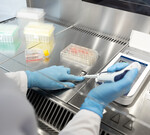
Professors Xunjia Cheng and Guodong Sui, from Fudan University, developed a small microfluidic chip that is suitable for use in the field. The chip tests for the presence of the parasite’s P23 antigen, a major molecular target of host antibody responses against the pathogen’s infective stages. The 3 x 2 cm device is said to be easy to use, requires only 2 μL of samples, can process up to five samples at once and takes 10 min to complete the process. It also costs only $1 to manufacture.

The researchers and their colleagues tested their device’s efficacy at diagnosing Cryptosporidium infections in 190 HIV-infected patients in Guangxi, China, and published the results in the journal Biomicrofluidics. They found that its diagnostic capabilities were on par with those of ELISA, while offering huge potential reductions in cost, time frame, size and the amount of training needed to operate.
The device therefore has the ability to bring point-of-care diagnosis to at-risk areas in rural China in order to improve cryptosporidiosis treatment outcomes. The researchers plan to expand the chip’s sample processing capacities to include other infectious diseases, as well as increase its sensitivity and specificity.
Rapid blood test can detect iron deficiency in minutes
Scientists have developed a blood test that can detect iron deficiency in just 15 minutes,...
Common carp relatives could help stop virus spreading
While common carp are highly vulnerable to koi herpesvirus, their close relatives including...
Prostate cancer therapy aims for first-in-human clinical studies in 2027
UniQuest, the commercialisation company of UQ, has entered into an exclusive licence agreement...