Prostate cancer therapy aims for first-in-human clinical studies in 2027
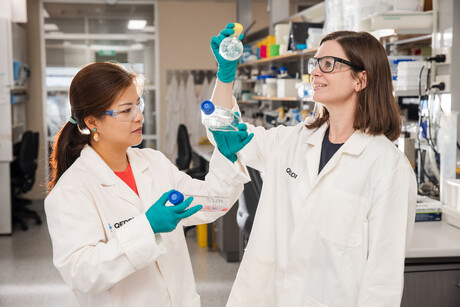
UniQuest, the commercialisation company of The University of Queensland (UQ), has entered into an exclusive licence agreement with the Ellison Medical Institute (EMI) to develop and commercialise UQ’s small molecule therapeutic QED-203 — developed for metastatic castration-resistant prostate cancer (mCRPC), an advanced form of the disease where patients often have limited treatment options after standard therapies stop working.
“Patients with metastatic castration-resistant prostate cancer often face very limited options once existing therapies stop working,” said Dr Brian Dymock, Head of the Queensland Emory Drug Discovery Initiative, the small molecule drug discovery group of UniQuest. “Our goal has been to develop a novel treatment approach that could ultimately improve clinical outcomes for patients with advanced and therapy-resistant disease.”
Using its integrated capabilities, including in-house clinical expertise, AI-driven research and human-relevant preclinical models, EMI will support the continued development of QED-203 with the expectation that the exclusive licence will help accelerate development of QED-203 towards first-in-human clinical studies in 2027.
Rapid blood test can detect iron deficiency in minutes
Scientists have developed a blood test that can detect iron deficiency in just 15 minutes,...
Common carp relatives could help stop virus spreading
While common carp are highly vulnerable to koi herpesvirus, their close relatives including...
Museum specimens support future biodiversity monitoring
An eDNA library has been created using museum specimens and genomic data from fish monitoring...