Museum specimens support future biodiversity monitoring
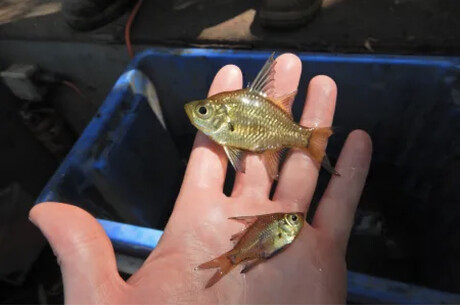
By allowing experts to track species without directly observing or disturbing them, eDNA has become a crucial tool for biodiversity surveying and monitoring. Yet, the reliability of this tool is dependent on having a well-curated DNA sequence reference library linked to museum voucher specimens, which allows experts to confidently identify species against eDNA samples. This is according to researchers who — using museum specimens and genomic data from fish monitoring across Northern Territory catchments — have created an eDNA library.
“Species targeted include freshwater fish such as the exquisite rainbow fish and black banded rainbowfish, freshwater crustaceans, and reptiles including saltwater crocodiles and freshwater turtles,” said CDU Professor of Tropical Biosecurity Maxine Piggott, who led the project. “By linking museum specimens with genomic data, we’ve created a resource that will underpin biodiversity monitoring in the Territory for years to come.”
On the value of museum specimens in databases such as this, MAGNT Curator of Fishes Dr Michael Hammer said: “Importantly, this project incorporates museum voucher specimens as a foundation to a robust and accurate reference library in perpetuity.” Hammer added: “Many freshwater fishes can be challenging to identify, and the data set reflects significant long-term research into local taxonomy and biodiversity.”
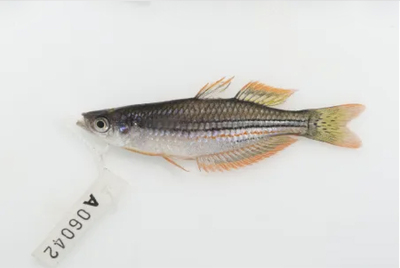
MAGNT Head of Science Dr Kirsti Abbott said: “In museums we talk about digitally extended specimens.” Abbott added: “This project is a great example of how well-preserved, expert-identified museum specimens can create value for researchers and practitioners around the world without having to visit in person. It amplifies the accessibility of the biodiversity data for the Northern Territory.”
Consisting of 142 fish, 22 reptiles, 23 crustaceans, one bivalve and one mammal species, the initiative is a collaboration between Charles Darwin University (CDU), the Museum and Art Gallery of the Northern Territory (MAGNT) and the Northern Territory Government’s Department of Lands, Planning and Environment (DLPE), which funded the project.
Rapid blood test can detect iron deficiency in minutes
Scientists have developed a blood test that can detect iron deficiency in just 15 minutes,...
Common carp relatives could help stop virus spreading
While common carp are highly vulnerable to koi herpesvirus, their close relatives including...
Prostate cancer therapy aims for first-in-human clinical studies in 2027
UniQuest, the commercialisation company of UQ, has entered into an exclusive licence agreement...