Biolife signs cancer vaccine manufacturing deal
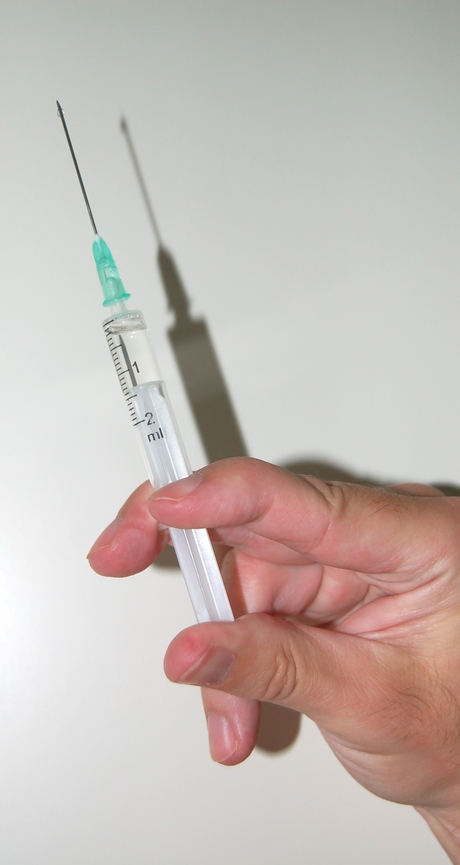
Sydney-based biopharmaceutical company Biolife Science has entered a deal for partner Pevion Biotech to manufacture its HER-Vaxx anticancer vaccine.
The company has signed a letter of intent with Swiss immunotherapy company Pevion covering the manufacture of the product and exclusive access to a Pevion patent surrounding its design.
Under the agreement, Pevion will manufacture HER-Vaxx for upcoming phase II trials in gastric cancer. Biolife Science estimates that the manufacturing cost for clinical trial supplies will be around $1 million.
Pevion will also be entitled to royalties on any eventual sales of HER-Vaxx, which was developed using peptides supplied by Biolife Science and a Pevion vaccine platform.
HER-Vaxx is being developed as an alternative to injectable antibody Herceptin. Both treatments target the HER-2 receptor, which is overexpressed in certain cancer cells.
Herceptin, or trastuzumab, is mainly used to treat early- and late-stage breast cancer. It generated US$6.4 billion ($6.18 billion) in sales in 2012. Both products also have potential applications in other cancers including ovarian and pancreatic.
Biolife Science plans to file a New Drug Application for the vaccine with the US FDA in Q3. Executive chairman Dr Roger Aston told Australian Life Scientist that the company will probably seek a marketing partner for HER-Vaxx once the product is further along with clinical development.
The company has arranged an ASX listing through the reverse takeover of Acuvax (ASX:ACU), through which it aims to raise $5 million to support the upcoming phase II trials.
Could this 'nanobone' material allow children to regrow bone?
Australian scientists believe they have found an alternative to invasive bone graft procedures in...
The last mile of life sciences innovation
How do we translate technological possibility into meaningful real-world impact?
Machine learning uncovers patterns in DNA methylation
A new machine-learning method identifies differentially methylated DNA regions without sample...