Copper drug clears Alzheimer's proteins — lab experiments reveal
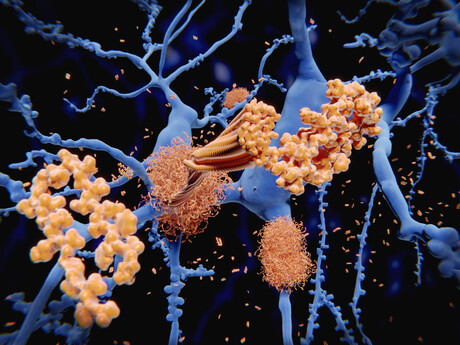
A drug that delivers copper to the brain has been found to significantly reduce Alzheimer’s proteins and improve long-term spatial memory.
Toxic proteins called amyloid-beta are normally flushed out by the brain into the bloodstream through the blood–brain barrier. But in Alzheimer’s, the pumps doing the heavy lifting, called P-glycoprotein (P-gp), weaken significantly, clogging the drain and trapping the toxic proteins in the brain, allowing build-up.
Now, Monash University researchers conducting laboratory experiments on a drug that delivers copper to the brain have found that the compound — Cu(ATSM) — repairs a vital waste-clearing pump at the blood–brain barrier. The discovery, the researchers believe, unlocks a potential new avenue of therapeutics targeting neurovascular dysfunction.
“This is the first study to show that Cu(ATSM) can increase the abundance of P-gp clearance pumps in an Alzheimer’s model, by 24.1%, effectively linking the repair of the blood–brain barrier to a reduction in toxic proteins and improved cognitive function,” said lead author Dr Jae Pyun from the Drug Delivery, Disposition and Dynamics theme at Monash Institute of Pharmaceutical Sciences (MIPS).
“By improving the pumps, the brain can finally clear out the trapped waste. Over 56 days, the treatment reduced toxic amyloid-beta by 42% and improved spatial learning by nearly 44%,” said Pyun, whose work on the study marked the final part of his PhD project. The treatment, Pyun explained, successfully engages the brain’s blood vessels to lower toxic protein levels, which results in behavioural benefits.

“Cu(ATSM) is a copper compound with anti-inflammatory and neuroprotective properties that has already progressed to clinical testing for conditions like Parkinson’s and ALS,” said senior author Professor Joseph Nicolazzo, Director of the Centre for Drug Candidate Optimisation at MIPS.
“Because reducing amyloid burden is clinically proven to improve functional outcomes, these preclinical results strongly support the rationale for testing this drug in early symptomatic Alzheimer’s disease.” The compound, Nicolazzo also said, has strong potential to quickly transition into human clinics because it has already undergone safety evaluations for other diseases.
The researchers are still mapping the exact biological routes the proteins take to leave the brain; suspecting that, beyond repairing the blood–brain barrier, the copper treatment may empower the brain’s own immune cells, called microglia, to consume and degrade the toxic plaques. Tracking the precise clearance mechanisms to find how the proteins exit the brain into the bloodstream will be the focus of future studies.
The current findings, the researchers believe, establish a strong foundation for exploring biometal therapies like Cu(ATSM) to combat blood vessel dysfunction and memory loss in Alzheimer’s disease. The study was published (doi.org/10.1021/acschemneuro.6c00252) in ACS Chemical Neuroscience.
Air pollutant exposure linked to glaucoma, cataracts and suicide
People who are exposed to high levels of air pollution are more likely to develop glaucoma and...
Could this 'nanobone' material allow children to regrow bone?
Australian scientists believe they have found an alternative to invasive bone graft procedures in...
The last mile of life sciences innovation
How do we translate technological possibility into meaningful real-world impact?