Nanoparticle used to deliver brain cancer drug
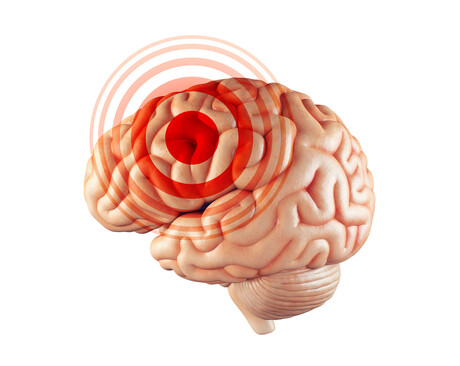
Researchers from The University of Queensland (UQ) have developed a nanoparticle to deliver a chemotherapy drug to fast-growing, aggressive brain tumours.
Brain cancer affects thousands of people every year and the chance of surviving at least five years is less than 23%. Cancer Australia data showed it was the ninth most common cause of cancer death in Australia in 2020.
Research team lead Dr Taskeen Janjua said the new silica nanoparticle can be loaded with temozolomide, a small molecule drug used to treat tumours known as glioblastoma. She noted, “This chemotherapy drug has limitations — it doesn’t stay in the blood for very long, it can be pushed out of the brain, and it doesn’t have high penetration from blood into the brain.
“To make the drug more effective, we developed an ultra-small, large-pore nanoparticle to help it move through the blood–brain barrier and penetrate the tumour while also reducing unwanted patient side effects.
“This strategy could be a more effective way to treat brain cancer and prevent it from coming back.”
The nanoparticle delivery was trialled in mice using 3D spheroids, multi-cellular structures created to mimic the brain tumour cell responses and interactions. The results of the study, published in the Journal of Controlled Release, showed the nanoparticles successfully accumulated in the brain within a few hours without any negative effects on vital organs.
Study co-author Associate Professor Amirali Popat said while there is still more research to be done, the results are promising for people with brain cancer.
“This innovative drug delivery system has the potential to improve the effectiveness of brain cancer treatment and could lead to new and better treatments for this devastating disease,” Popat said.
“This preclinical research will accelerate future clinical development of a promising health technology and further the goal of improving outcomes for patients with brain cancer.”
Cancer drug enters clinical trials based on a false mechanism
A cancer drug currently being tested in patients appears to have entered clinical trials based on...
Russia insists there is "no plague case" following lab worker death
Russian health authorities say there is no evidence that pneumonic plague played a part in the...
Scientists 'reprogram' tumour-supporting immune cells
The approach, by an Australian team, uses lipid nanoparticles to target a type of immune cell...