Bat immunity key to controlling deadly viruses
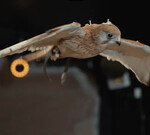
CSIRO research of how bats can host some of the world’s deadliest viruses, without suffering any ill-effects themselves, will lead to improved strategies for controlling the spread of bat-borne diseases.
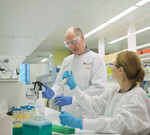
“CSIRO is helping to safeguard the health of Australians and livestock through a comprehensive research program that examines how bats have adapted to co-exist with some of the most deadly viruses known,” says the leader of a team of scientists at CSIRO’s Australian Animal Health Laboratory, in Geelong, Victoria, Dr Linfa Wang.
In an address to more than 600 delegates at the 1st International One Health Congress in Melbourne, Dr Wang said the aim is to better understand bat immunology and the bat virus-host interaction to identify strategies to control viruses such as Hendra virus spreading to other animals and people.
“In order to better control the spread of viruses like Hendra - from bats to horses and then on to people - it is becoming increasingly important to learn what governs the interactions between viruses and their hosts and, in particular, the phenomenon of ‘host switching’,” Dr Wang said.
Bats are known to be a key source of viruses that have been involved in host-switching incidents - including Hendra, Ebola and SARS - and appear to have developed the ability to tolerate infections with these pathogens that are otherwise fatal when spread to other mammals.
“Bats appear to have some kind of ‘viral radar’ - a highly effective immune system which provides them with broad spectrum protection against viral attack,” Dr Wang said.
“Our research will assist in developing faster, more sensitive surveillance tools that may radically change the risk management of zoonotic diseases within Australia and worldwide.
“That will mean we can move forward from just responding when an outbreak occurs, to putting pre-emergence surveillance and prevention strategies in place.”
Rapid blood test can detect iron deficiency in minutes
Scientists have developed a blood test that can detect iron deficiency in just 15 minutes,...
Common carp relatives could help stop virus spreading
While common carp are highly vulnerable to koi herpesvirus, their close relatives including...
Prostate cancer therapy aims for first-in-human clinical studies in 2027
UniQuest, the commercialisation company of UQ, has entered into an exclusive licence agreement...