Physicists turn liquid into solid using an electric field
17 October, 2011Physicists have predicted that under the influence of sufficiently high electric fields, liquid droplets of certain materials will undergo solidification.
Microdots spot on for wasp study
17 October, 2011New research by scientists at The Australian National University will see wasps being tracked in the same way as stolen cars using specialist microdot technology.
New telescope for Mt Stromlo centenary
27 September, 2011The Oddie II telescope has been unveiled at Mt Stromlo Observatory.
Researchers identify signals triggering dendrite growth
23 September, 2011A study in worms that are less than a millimetre long has yielded clues that may be important for understanding how nerves grow.
Mice DNA making a difference to human genome studies
09 September, 2011Mice DNA may be the key to sequence hundreds of human genomes a year.
Cattle tick vaccine a step closer
17 August, 2011Australian scientists believe they may be a step closer to finding a cattle tick vaccine that could save the national cattle and dairy industries approximately $175 million per annum and reduce the need for pesticides.
Tips for practising safe cells - Part 1
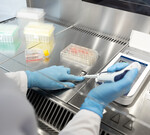
10 August, 2011Completely avoiding cell culture contamination is very difficult in busy laboratories. However, careful aseptic technique, appropriate caution and training can reduce the risk of contamination.
Tips for practising safe cells - Part 2
10 August, 2011Part 1 of this article looks at ways to improve aseptic techniques and to preserve the integrity of cell cultures and sterile liquid transfers. Here in Part 2 we look at the lab environment and how it can impact on safety.
The deadly E. coli outbreak
29 July, 2011The mention of E. coli O157:H7 sends a chill through the spine of every food processor. This deadly pathogen has been implicated in disease outbreaks all over the world and only a small load can cause illness. But in the latest outbreak in Germany and France, a new serotype is proving even more deadly.
Marsupial digestive microbes may help reduce methane in livestock
04 July, 2011A bacterial species in the Australian Tammar wallaby gut is responsible for keeping the animal’s methane emissions relatively low.
Collaboration contributes to understanding toxicity of the new E. coli strain
30 June, 2011HPA researchers, using Thermo Scientific's mass spectrometry technology, have been able to identify the protein toxins expressed by the deadly strain of E. coli in Europe.
Deadly E. coli strain sequenced by HPA scientists
17 June, 2011The deadly E. coli O104 strain found in Europe has been sequenced using 454 Life Sciences’ benchtop GS Junior sequencing system.
Venomous dragons combat high blood pressure
05 May, 2011The winner of the Australian Academy of Science's 2011 Fenner Medal, Dr Bryan Fry, has found that venom from the Komodo dragon could lower your blood pressure.
Providing sterility assurance between single-use and stainless systems
02 March, 2011 by John Boehm and Brent Bushnell*Increased volume and diversity of pharmaceutical products is causing biopharmaceutical manufacturers to design their facilities based on shorter production runs with multiple changeovers. Once they have gained firsthand experience of the benefits of single-use systems, manufacturers are now looking to expand their use in both upstream and downstream applications.
Bat immunity key to controlling deadly viruses
15 February, 2011CSIRO may be able to control the spread of bat-borne diseases after discovering they can host deadly viruses without ill-effects.