Identifying kidney fibrosis risk
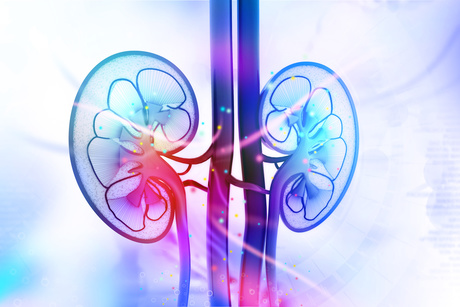
Each year, more Australians die from kidney-related diseases than breast cancer, prostate cancer or road fatalities. With over 900 transplants performed last year, kidneys are the most commonly transplanted solid organs in Australia.
Unfortunately, rates of long-term organ survival have not improved, meaning many patients will require more than one kidney transplantation in order to survive.
Significant improvements have been achieved in acute rejection of transplanted organs, but current diagnostic techniques for longer term problems are limited. By the time kidney dysfunction is detected, fibrosis has set in, usually causing irreversible damage.
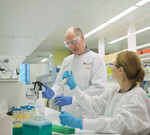
Identifying high-risk patients at an earlier stage, and introducing tailored treatments, has been the goal of an international group of researchers from the Icahn School of Medicine at Mount Sinai in New York and The Westmead Institute’s Centre for Transplant and Renal Research.
Led by Professor Philip O’Connell, director of the Centre for Transplant and Renal Research, the team has identified a set of 13 genes that enable them to determine — as soon as three months after transplant — those patients who are 2–3 times more likely to develop kidney fibrosis. Typically, these patients will lose the transplanted kidney within the first five years.
Longer term outcomes can be vastly improved for patients with this genetic marker if new treatments are introduced before any organ damage occurs.
Professor O’Connell, who is also the director of Transplant Medicine at Westmead Hospital, said: “If you can identify after three months who is at risk, you can tailor treatments to increase kidney survival rates. Powerful new technologies in genetic analysis is leading us away from a one-size-fits-all approach to kidney disease towards personalised treatments.”
The innovative methods used in this study included cutting-edge gene sequencing technology and sophisticated methods of mathematical analysis. Professor O’Connell believes this significant breakthrough also has potential to be applied in autoimmune diseases and cancer research.
Clinical trials will need to be conducted, with Professor O’Connell confident that “we are probably about five years away from using this tool in a routine clinical setting”.
The study has been published in The Lancet.
Air pollutant exposure linked to glaucoma, cataracts and suicide
People who are exposed to high levels of air pollution are more likely to develop glaucoma and...
Could this 'nanobone' material allow children to regrow bone?
Australian scientists believe they have found an alternative to invasive bone graft procedures in...
The last mile of life sciences innovation
How do we translate technological possibility into meaningful real-world impact?