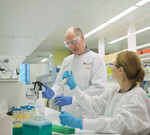
WA researchers involved in muscular dystrophy treatment breakthrough
An international research team that includes The University of Western Australia has released details of a breakthrough which holds promise of a new therapeutic approach for the treatment of Duchenne muscular dystrophy (DMD), an incurable muscle-wasting disease.
UWA Professor Steve Wilton, Head of the Molecular Genetic Therapies Group at UWA's Centre for Neuromuscular and Neurological Disorders, was part of a team which included researchers at The University of Oxford and biotech company AVI BioPharma.
The research, published in the journal Molecular Therapy, has demonstrated that a process known as exon skipping has shown dramatic effects in the prevention and treatment of severely affected, dystrophin and utrophin-deficient mice, preventing severe deterioration of the treated animals and extending their lifespan.
Professor Wilton said researchers had spent years on pre-clinical work in their quest to find a cure for muscular dystrophy.
Treatment involves the intramuscular injection of an antisense molecule to restore the production of the protein dystrophin, the absence of which causes DMD. He said studies and research had shown that the ability to skip certain exons in dystrophin could circumvent these dystrophin gene errors and provide a potential treatment for DMD patients.
DMD is a relentlessly progressive and incurable muscle wasting disorder, and one of the most common serious genetic disorders to affect children around the world. Each year, at least three boys born in Perth will have the disease.
Rapid blood test can detect iron deficiency in minutes
Scientists have developed a blood test that can detect iron deficiency in just 15 minutes,...
Common carp relatives could help stop virus spreading
While common carp are highly vulnerable to koi herpesvirus, their close relatives including...
Prostate cancer therapy aims for first-in-human clinical studies in 2027
UniQuest, the commercialisation company of UQ, has entered into an exclusive licence agreement...